Blue Ridge Chimney Services: Expert Chimney Sweeping for Harrisonburg, VA Homeowners
Give Us A Call Today!
At Blue Ridge Chimney Services, we know that a fireplace is the heart of your home during our brisk Shenandoah Valley winters. Serving the Harrisonburg area, our mission is to ensure your hearth remains a source of comfort rather than a hazard. We provide comprehensive chimney sweeping and maintenance designed to keep your venting systems operating as efficiently as possible while prioritizing the well-being of your family. Our team of skilled technicians treats every home with the utmost respect, utilizing modern vacuum systems and specialized brushes to ensure that the soot and creosote stay out of your living room and in our equipment.
Is All Creosote the Same or Are Some Types More Dangerous Than Others?
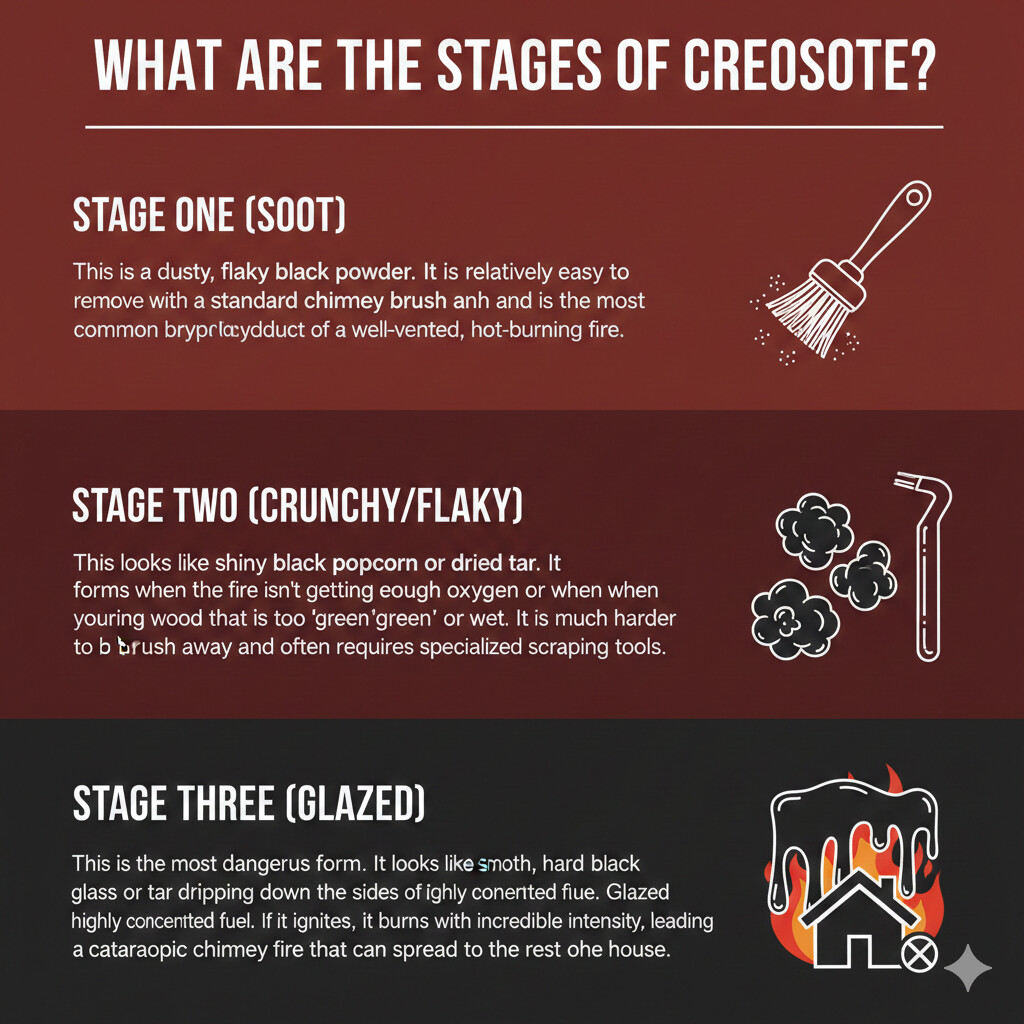
When we perform a chimney sweeping in Harrisonburg, we aren’t just looking for “soot.” We are looking for the three distinct stages of creosote, each of which presents a different level of risk to your home. Understanding these stages helps homeowners realize why a simple DIY brush-through often isn’t enough to keep the home as safe as possible.
-
Stage One (Soot): This is a dusty, flaky black powder. It is relatively easy to remove with a standard chimney brush and is the most common byproduct of a well-vented, hot-burning fire.
-
Stage Two (Crunchy/Flaky): This looks like shiny black popcorn or dried tar. It forms when the fire isn’t getting enough oxygen or when you’re burning wood that is too “green” or wet. It is much harder to brush away and often requires specialized scraping tools.
-
Stage Three (Glazed): This is the most dangerous form. It looks like smooth, hard black glass or tar dripping down the sides of the flue. Glazed creosote is highly concentrated fuel. If it ignites, it burns with incredible intensity, often leading to a catastrophic chimney fire that can spread to the rest of the house.
Removing third-stage glazed creosote often requires chemical treatments or heavy-duty rotary cleaning equipment. During our professional sweeping process, we identify which type of creosote is present and use the appropriate industrial-grade tools to ensure the flue is cleared down to the original liner, making your fireplace experience as reliable as possible.
Why Does My Chimney Smell Like An Old Campfire During Our Humid Virginia Summers?
Many Harrisonburg homeowners contact us in the middle of July complaining of a pungent, smoky odor drifting from their fireplace, even though they haven’t lit a fire in months. This “stinky chimney” syndrome is almost always caused by the interaction between humidity and creosote deposits left behind from the previous winter. Creosote is a carbonaceous chemical byproduct of burning wood that clings to the interior of your flue. When the high humidity levels typical of a Virginia summer hit, the moisture in the air reacts with these deposits, intensifying the smell.
This issue is often exacerbated by “negative pressure.” During the summer, as you run your air conditioning or kitchen exhaust fans, your home may pull air down through the chimney to equalize pressure. This brings that acrid, “old campfire” scent directly into your living spaces. A professional chimney sweeping is the only reliable way to remove the source of the odor. By thoroughly scrubbing the flue walls and clearing the smoke shelf, we remove the organic material that reacts with moisture. This not only eliminates the smell but also ensures that your system is clean and ready for the first cold snap of autumn.
Your Trusted Harrisonburg, VA Chimney Experts: We Love The Friendly City
Harrisonburg, often called “The Friendly City,” is a vibrant hub nestled between the Blue Ridge and Allegheny Mountains. It is a place where history meets modern energy, largely thanks to the presence of James Madison University and Eastern Mennonite University. We take great pride in serving the diverse neighborhoods here, from the historic homes near Old Town with their intricate masonry chimneys to the newer developments on the outskirts of town.
When we aren’t busy keeping your chimneys clean, our team enjoys everything this area has to offer. We highly recommend spending an afternoon at Edith J. Carrier Arboretum for a peaceful walk through the botanic gardens or taking the family to the Explore More Discovery Museum. For those who love the outdoors, the proximity to Shenandoah National Park provides endless opportunities for hiking and scenic views. Harrisonburg’s downtown district is also a favorite, featuring incredible local spots like the Little Grill Collective or Jack Brown’s Beer & Burger Joint. We are proud to be a part of this community and are dedicated to keeping its residents warmer and more prepared for the changing seasons.
What Makes Chimney Swifts Different From Other Birds Nesting In My Flue?
In the Harrisonburg area, we frequently encounter a unique avian visitor known as the Chimney Swift. Unlike most birds that build nests on branches, Chimney Swifts have specialized feet that allow them to cling to vertical surfaces, and they use a glue-like saliva to attach their nests to the interior masonry of your chimney.
These birds are actually protected by federal law under the Migratory Bird Treaty Act, which means it is illegal to remove them or their nests while there are eggs or young present.
This creates a specific challenge for homeowners. If you hear “chattering” or “twittering” sounds coming from your flue during late spring or summer, you likely have a colony of swifts. While they eat thousands of mosquitoes and are beneficial to our local ecosystem, their nests are made of small twigs and saliva, which can become a significant fire hazard once the birds migrate south in the fall. Furthermore, the accumulation of bird droppings can create unpleasant odors and health concerns. We recommend waiting until the birds have naturally vacated the premises in late summer or early fall, at which point our team can perform a thorough sweeping to remove the nesting debris and then install a high-quality chimney cap to prevent their return the following year.
Can Glossy Magazine Inserts or Colored Paper Damage My Chimney Liner?
It is tempting to use old mail, magazines, or gift wrap as kindling when starting a fire on a cold Harrisonburg evening. However, as professional sweeps, we strongly advise against this practice. Modern printing processes use various inks, plastics, and metal-based pigments to achieve those bright colors and glossy finishes. When these materials burn, they release corrosive chemicals and heavy vapors that can cause lasting damage to your chimney system.
The “fly ash” created by burning paper is very light and can easily float up the chimney, where it gets trapped in existing creosote or sticks to the chimney cap’s spark arrestor. This creates a physical blockage that can lead to smoke backing up into your home. Furthermore, the chemicals released by burning colored inks can be acidic, which accelerates the deterioration of clay flue tiles or the rusting of stainless steel liners. Over time, this chemical etching makes the interior surface of your flue rougher, which in turn allows creosote to attach more easily. For a cleaner burn that keeps your liner in better condition, we recommend sticking to natural fire starters and dry, seasoned softwoods to get your fire going.
Is a Level 1 Inspection Included With Every Standard Chimney Sweeping?
Many homeowners ask why we spend so much time looking at the chimney with mirrors and lights before we even start the cleaning process. At Blue Ridge Chimney Services, we believe that sweeping without inspecting is only doing half the job. A Level 1 inspection is our way of ensuring that the “envelope” of your chimney is structurally sound enough to handle the heat of a fire.
During this process, we check the basic accessibility and condition of the chimney exterior, interior, and the flue connection. We are looking for:
-
Cracked Flue Tiles: Even a small crack in a clay liner can allow heat or sparks to reach the combustible wooden framing of your house.
-
Separated Mortar Joints: If the mortar between the bricks inside your flue has eroded, carbon monoxide can seep into your living spaces or attic.
-
Damaged Damper Plates: A damper that doesn’t seal correctly allows your heated air to escape in the winter and your cooled air to escape in the summer, making your home less energy-efficient.
By performing this inspection alongside our sweeping, we provide a holistic view of your chimney’s health. If we find a problem, we can document it with photos and explain your options for repair before it becomes an emergency. Our goal is to leave you with a fireplace that isn’t just clean, but is ready to perform as safely as possible.
Schedule Your Harrisonburg Chimney Service Today
Don’t wait until the first cold snap to realize your chimney isn’t ready for the season. Whether you are dealing with summer odors, bird nesting issues, or heavy creosote buildup, Blue Ridge Chimney Services is here to help. Our local expertise and commitment to the Harrisonburg community mean you’ll receive honest advice and high-quality workmanship every time. Book your chimney sweeping today.